


News
CHECK IT NOW


2026-07-30 09:40:09
In professional audio production, accurate sound reproduction is essential for recording engineers, musicians, and audio equipment manufacturers. The Tweeter, as the component responsible for high-frequency performance, plays an important role in determining sound clarity, detail, and overall listening experience.
When selecting a studio monitor, many buyers compare ribbon Tweeter and dome tweeter technologies. Both designs have unique advantages, and the right choice depends on application requirements, sound preferences, and system design.
This guide will help you understand the differences between ribbon tweeters and dome tweeters, their working principles, key features, and suitable applications, making it easier to choose the right studio monitor tweeter solution.
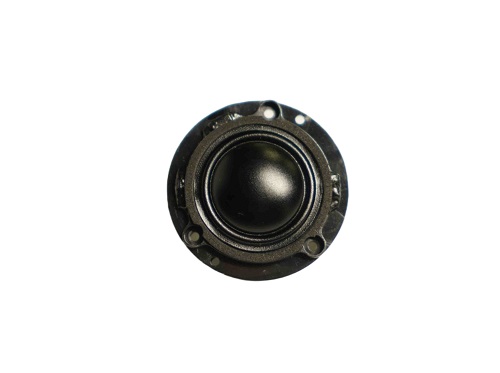
A ribbon tweeter is a high-performance tweeter design that uses an extremely lightweight metal ribbon diaphragm to produce high-frequency sound. Unlike traditional drivers, the ribbon itself acts as both the diaphragm and conductor, allowing it to respond quickly to audio signals.
Because of its lightweight structure, a ribbon tweeter can deliver excellent transient response and detailed high-frequency reproduction.
One of the biggest advantages of ribbon technology is its ability to reproduce subtle audio details. The lightweight diaphragm can move quickly, allowing listeners to hear more accurate textures, instrument separation, and vocal details.
This makes ribbon tweeters popular in:
Professional recording studios
High-end studio monitors
Hi-Fi audio systems
Professional audio equipment
A high-quality ribbon tweeter provides fast response to sudden changes in audio signals. This helps create a more natural and transparent sound experience.
For applications requiring precise monitoring, such as mixing and mastering, ribbon technology can provide a more accurate reference.
Ribbon tweeters are designed to reproduce high frequencies smoothly, providing excellent airiness and openness in sound.
For users who need detailed audio analysis, this advantage makes ribbon tweeters an ideal choice for advanced monitoring systems.
A dome tweeter is one of the most commonly used tweeter designs in audio products. It uses a dome-shaped diaphragm made from materials such as silk, aluminum, or titanium.
Compared with ribbon designs, dome tweeters are known for their balanced performance, durability, and cost efficiency.
Dome tweeters provide smooth and consistent sound reproduction. They are suitable for users who need reliable audio performance without requiring extremely high-resolution monitoring.
The structure of dome tweeters is relatively simple and stable, making them suitable for long-term operation.
They are widely used in:
Commercial Speakers
Home audio systems
Entry-level studio monitors
Multimedia audio equipment
For manufacturers designing audio products for different market levels, dome tweeters provide a good balance between performance and production cost.
They are often selected for projects requiring reliable quality and competitive pricing.
Understanding the differences between these two technologies can help buyers select the most suitable solution.
| Feature | Ribbon Tweeter | Dome Tweeter |
|---|---|---|
| Diaphragm Design | Lightweight ribbon diaphragm | Dome-shaped diaphragm |
| High Frequency Detail | Excellent | Good |
| Sound Character | Transparent and detailed | Smooth and balanced |
| Response Speed | Very fast | Moderate |
| Distortion Control | Excellent | Good |
| Cost | Higher | More affordable |
| Application | Professional monitoring | General audio applications |
There is no single answer to which tweeter is better. The ideal choice depends on the purpose of the audio system.
A ribbon tweeter is a strong choice when sound accuracy is the top priority.
It is commonly used in:
Recording studios
Broadcast monitoring systems
High-resolution audio equipment
Premium studio monitors
Engineers who need precise frequency analysis often prefer ribbon solutions because they provide detailed and natural high-frequency reproduction.
Dome tweeters are suitable when manufacturers need reliable performance, durability, and flexible design options.
Common applications include:
Consumer Speakers
Commercial audio systems
Standard studio monitors
Educational audio equipment
For projects where cost efficiency and stable performance are important, dome tweeters remain a popular choice.
Before selecting a tweeter, buyers should consider several important factors.
Different applications require different sound characteristics.
For professional recording and critical listening, a ribbon tweeter may provide better detail and accuracy.
For general audio systems, a dome tweeter can offer excellent value and reliability.
Frequency response determines how accurately the tweeter reproduces high-frequency signals.
A good high frequency driver should provide smooth output without harshness or unwanted distortion.
The tweeter should match the speaker system's power requirements.
Choosing a suitable design ensures stable performance during long-term operation.
For audio equipment manufacturers, choosing a reliable supplier is just as important as selecting the right technology.
A professional ribbon tweeter manufacturer should provide:
Consistent product quality
Advanced production technology
Strict quality control
OEM and customization support
Working with an experienced tweeter speaker supplier helps ensure stable performance for different audio projects.
Both technologies have important roles in modern audio systems.
Professional studio monitors
Recording and mixing equipment
High-end home audio
Audiophile speaker systems
Premium professional audio system
Home theater speakers
Commercial sound systems
Portable audio products
Educational audio equipment
General speaker manufacturing
As audio technology continues to develop, manufacturers increasingly require flexible and customized solutions.
A reliable supplier can provide custom audio solutions based on different requirements, including:
Speaker design optimization
Frequency response adjustment
Material selection
OEM manufacturing service
Whether you are developing studio monitors or professional audio equipment, selecting the right tweeter technology can significantly improve product performance and market competitiveness.
Ribbon tweeters usually provide higher detail resolution and faster response, making them suitable for professional monitoring applications. Dome tweeters offer balanced performance and wider usage scenarios.
Yes. Ribbon tweeters are widely used in professional studio monitors because they can provide accurate high-frequency reproduction and excellent sound transparency.
Dome tweeters generally have stronger durability due to their traditional structure, while ribbon tweeters focus more on sound precision and high-frequency performance.
Consider factors such as manufacturing capability, product quality control, customization ability, and experience in professional audio applications.
Copyright © 2026 Jiangxi Rongxian Acoustic Technology Co. All rights reserved.


Privacy Policy Cookie Policy Terms and Conditions