


News
CHECK IT NOW


2026-07-30 10:07:14
Choosing the right studio monitor is one of the most important decisions for anyone involved in music production, mixing, or mastering. While factors like woofer size, amplifier power, and cabinet design all influence sound quality, the high-frequency driver plays a crucial role in revealing detail, stereo imaging, and overall listening accuracy.
Among today's professional studio monitors, folded ribbon Tweeters (also known as AMT Tweeters) and dome tweeters are the two most common high-frequency technologies. Each offers unique advantages, making them suitable for different recording environments and production styles.
This guide compares the two technologies, explains their features, highlights their applications, and provides examples of popular studio monitors to help you make an informed purchasing decision.
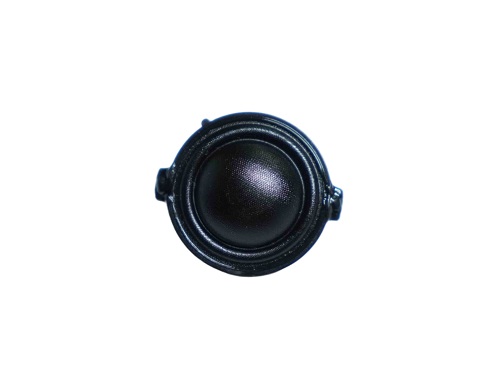
A folded ribbon tweeter uses an Air Motion Transformer (AMT) design, where a lightweight folded diaphragm moves air efficiently instead of vibrating like a traditional dome. This innovative structure enables extremely fast response and excellent high-frequency reproduction.
Outstanding transient response
Wide frequency extension
Low harmonic distortion
Excellent stereo imaging
Highly detailed sound reproduction
Because of these advantages, folded ribbon tweeters are commonly found in premium professional studio monitors, mastering systems, and high-end audio equipment.
A dome tweeter is the most widely used tweeter design in the audio industry. The diaphragm is typically made from silk, aluminum, titanium, or composite materials, delivering balanced and consistent high-frequency performance.
Smooth and natural sound
Reliable long-term performance
Good power handling
Cost-effective manufacturing
Wide compatibility with various Speaker systems
Dome tweeters remain a popular choice for recording studios, multimedia speakers, commercial audio products, and home studio monitors.
When comparing studio monitors for mixing, the right choice depends on your workflow and listening preferences rather than simply choosing the "better" technology.
| Feature | Folded Ribbon Tweeter | Dome Tweeter |
|---|---|---|
| High-frequency Detail | Excellent | Very Good |
| Transient Response | Extremely Fast | Fast |
| Stereo Imaging | Wide and Precise | Natural and Balanced |
| Listening Fatigue | Low | Moderate |
| Durability | Good | Excellent |
| Cost | Higher | More Affordable |
| Best For | Mixing, Mastering | Recording, General Monitoring |
Folded ribbon tweeters are often preferred by engineers who need to hear subtle details during critical mixing sessions, while dome tweeters offer a smoother presentation that many users find comfortable for long production hours.
Critical mixing accuracy
Maximum high-frequency detail
Excellent instrument separation
Precise stereo imaging
Professional mastering performance
Because folded ribbon tweeters reproduce fast transients with remarkable precision, they help engineers identify compression artifacts, vocal sibilance, and subtle EQ adjustments more easily.
Balanced overall sound
Versatile music production
Reliable daily monitoring
Budget-friendly solutions
Long-term durability
For many project studios and commercial recording environments, dome tweeters provide an excellent balance between performance and affordability.
Many well-known studio monitors use either folded ribbon or dome tweeter technology.
ADAM Audio T5V
ADAM Audio T7V
ADAM A7V
ADAM A8H
PreSonus R80 V2
These monitors are known for delivering exceptional detail and accurate high-frequency performance, making them popular choices for mixing and mastering.
Yamaha HS5
Yamaha HS8
Genelec 8030C
Focal Alpha 65 Evo
KRK Rokit 8 G4
These models provide balanced sound signatures suitable for music production, podcasting, content creation, and general studio monitoring.
Both tweeter technologies serve important roles across different industries.
Professional studio monitors
Mixing and mastering systems
Broadcast audio
High-end Hi-Fi Speakers
Audiophile loudspeakers
Professional audio systems
Home studio monitors
Multimedia speakers
Commercial speaker systems
Portable audio equipment
Educational recording studios
Consumer audio products
Choosing the right tweeter depends on your intended application rather than the technology alone.
When designing studio monitors, manufacturers evaluate several important factors before choosing a tweeter.
The desired sound signature often determines whether a folded ribbon or dome tweeter is more suitable.
Premium monitoring systems frequently incorporate folded ribbon technology to emphasize detail and clarity, while entry-level and mid-range products often rely on dome tweeters for cost-effective performance.
A high-quality high frequency driver should provide smooth, accurate reproduction without excessive peaks or distortion across the operating range.
Working with an experienced tweeter manufacturer ensures consistent quality, stable production, and customized solutions for different speaker designs. Many OEM and ODM speaker brands also seek suppliers capable of developing custom audio solutions tailored to their acoustic requirements.
Before purchasing a studio monitor, consider the following questions:
Will the monitor primarily be used for mixing or recording?
Do you require maximum detail or a more relaxed listening experience?
Is long-term listening comfort important?
What is your available budget?
Will the monitor be used in a treated professional studio or a home environment?
Answering these questions will help narrow down the most suitable tweeter technology for your workflow.
Folded ribbon tweeters often provide greater detail, faster transient response, and more precise stereo imaging, making them well suited for critical mixing tasks. Dome tweeters, however, remain an excellent choice for balanced and versatile monitoring.
Their lightweight diaphragm allows for accurate high-frequency reproduction with low distortion, helping engineers hear subtle details during mixing and mastering.
Generally, yes. Dome tweeters have a simple and robust structure, making them highly reliable for long-term daily use in a wide range of audio applications.
For most beginners and home studios, dome tweeters provide excellent performance at a more affordable price. As monitoring requirements become more demanding, folded ribbon tweeters may offer additional benefits.
Copyright © 2026 Jiangxi Rongxian Acoustic Technology Co. All rights reserved.


Privacy Policy Cookie Policy Terms and Conditions